Polyurethane Foam Lifespan
Material durability, water and chemical resistance, factors that affect lifespan, and our written warranty terms.
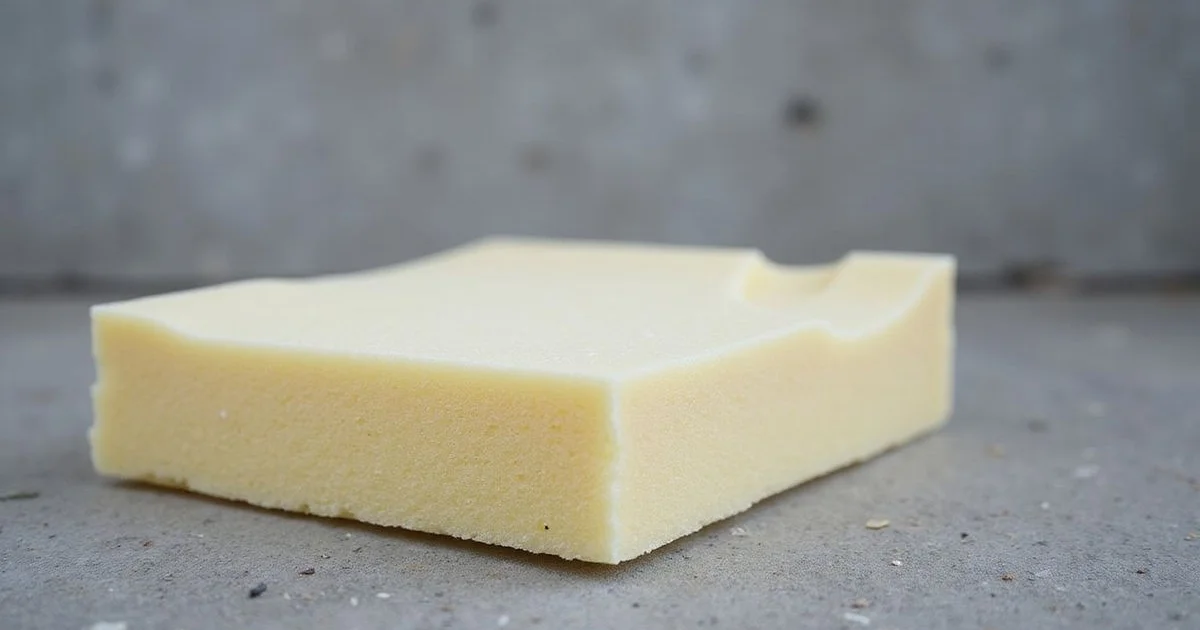
How long polyurethane foam lasts under a slab.
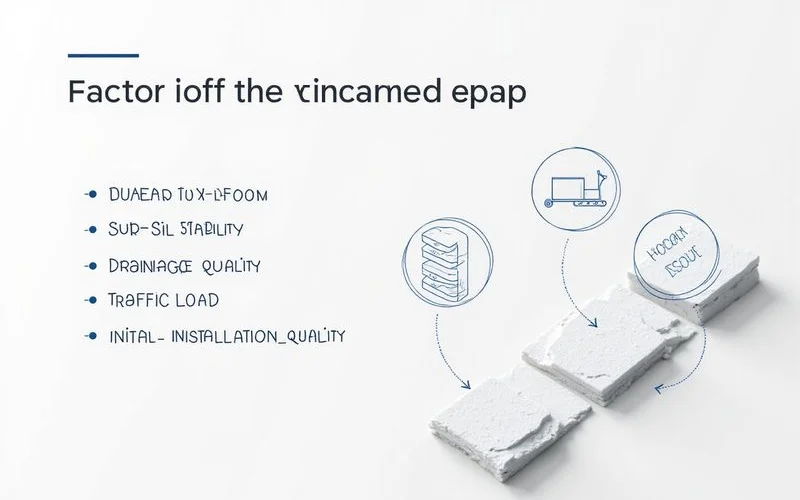
You probably see sinking concrete around your neighborhood and wonder about the true polyurethane foam concrete lifespan before investing in a permanent fix.
Our team at Concrete Leveling Detroit sees this exact issue daily across the local area. Homeowners constantly share their frustration after trying cheap patches. These quick fixes often fail, leaving driveways to sink again just a few years later.
We know how frustrating it is to pay for a repair that washes away in the next storm. Traditional mudjacking used to be the only option available. Today, modern structural foam outpaces older methods by decades, according to concrete leveling specialists.
“Modern high-density foams repel moisture completely, while traditional cement slurry simply absorbs water and crumbles over time.”
Our specialists rely on this modern material science to provide a permanent cure. The following data highlights exactly how this material holds up under pressure. This guide covers the essential details you need to know:
- The actual lifespan of high-density polymers
- Why water resistance prevents erosion
- The hidden variables that cause early failure
Material durability and polyurethane foam concrete lifespan
A proper installation maximizes polyjacking durability, which typically lasts 20 to 50 years and often matches the remaining life of the concrete itself. This exceptional longevity comes from the chemical structure of high-density polyurethane. We use this stable construction polymer because it never breaks down like older mudjacking materials. The typical cement slurry repair only lasts two to seven years before it begins to crumble. Polyurethane provides a completely different level of performance.
Our structural foam cures into an incredibly strong foundation in just a few minutes. The cured material holds its shape under immense pressure, supporting weights well over 100 pounds per square inch (PSI), exceeding commercial warehouse requirements. That translates to supporting thousands of pounds per square foot without compressing. We rely on this compressive strength to handle heavy loads like parked vehicles, RVs, or industrial equipment. You can expect several distinct advantages from this durable material:
- Decades of stability: The foam remains dimensionally stable for 20 to 50 years under standard environmental conditions.
- Zero shrinkage: High-density polymers do not shrink, compress, or decay after they fully cure.
- Massive compressive strength: The lift holds at thousands of pounds per square foot for the entire lifespan of your slab.
- Lightweight application: The injection material adds almost no extra weight to the underlying dirt.
Water and chemical resistance
Polyurethane foam lifting longevity is greatly enhanced because the material is completely hydrophobic, meaning it absorbs zero water, a fact confirmed by patent data on closed-cell structural foams. This water-repellent quality prevents the foundation from washing away during heavy rains. We find this moisture resistance is the biggest advantage over traditional concrete leveling methods. Mudjacking uses a soil and cement slurry that acts like a sponge, soaking up groundwater and eroding away fast. Closed-cell foam creates an impermeable barrier that protects your concrete surface.
Our installation teams frequently see erosion damage caused by seasonal freeze-thaw cycles. A traditional slurry freezes, expands, and pushes the concrete right back open. The freezing water destroys the repair completely.
We eliminate this risk by using modern polyurethane. The waterproof foam cells ignore temperature shifts and block underground water movement. This stability makes the material a perfect fit for high-moisture environments. The chemical resistance of this polymer makes it ideal for several challenging locations:
| Concrete Location | Primary Exposure Risk | Why Foam Succeeds |
|---|---|---|
| Pool Decks | Chlorinated water and constant splashing | The foam repels moisture and resists chemical breakdown from chlorine. |
| Lakeside Slabs | High water tables and soil saturation | Closed-cell structures block groundwater from washing out the support. |
| Garage & Basements | Occasional water intrusion and freeze-thaw | The polymer provides an insulating, waterproof seal against cold dampness. |
| Industrial Floors | Harsh chemical spills and heavy cleaning | The material remains totally stable when exposed to common industrial solvents. |
Factors that affect polyurethane foam concrete lifespan
In typical residential conditions, 10 to 20 years is the baseline expectation for foam lifting longevity, and many installations last over 50 years. The primary factor determining this lifespan is the condition of the dirt sitting directly underneath the foam. We always inspect the sub-soil before injecting any material to ensure a permanent fix. If a hidden washout continues to erode the earth deep below the repair, the entire area will eventually drop again. You must address the root cause of the sinking to guarantee a lasting result.
Our crews check for several specific hazards that can cut a project short. Poor water management is the most common culprit for premature failure. A missing downspout can dump hundreds of gallons of rainwater directly next to your driveway, washing away the foundational dirt over time. We help homeowners identify these active drainage issues during the initial assessment. Fixing your gutters or grading the landscaping will protect the lifting work indefinitely.
Exposure to direct sunlight is another hidden danger for this material. Ultraviolet (UV) rays will slowly break down the chemical bonds if the polymer is left totally uncovered, according to A-1 Concrete Leveling’s field data. We prevent this degradation by ensuring the material is fully enclosed beneath the slab. The proper installation technique shields the foam from all sun damage. Here are the four critical factors that affect your concrete repair lifespan:
- Sub-soil stability: The lift will fail if the deep dirt washes out completely, taking the foam down with it.
- Surface drainage: Ongoing water problems, like broken sprinklers or clogged gutters, will undermine the supporting earth over time.
- Heavy commercial traffic: Constant industrial use accelerates surface wear on the concrete slab itself, even though the foam underneath holds strong.
- Original injection quality: Achieving proper coverage and density during the initial installation matters immensely for long-term success.
Our written warranty
A reliable polyurethane foam concrete lifespan is backed by a formal guarantee to ensure your peace of mind. Every polyjacking job includes a written warranty against settling under standard, daily use. We stand behind the durability of our work because we see the permanent results every day. The specific coverage terms depend heavily on the type of job, such as residential driveways versus heavy commercial lots. These exact details are clearly documented in your written quote before any work begins.
“Polyurethane foam lifting provides a permanent structural solution that costs 50% to 70% less than a full slab replacement, according to national project averages.”
Our team delivers transparent solutions for your specific property. You deserve to know exactly what you are paying for and how long it will hold up. The long-term savings of this modern approach speak for themselves. We encourage property owners to review all the available options before making a final decision. The right choice will protect your home value for decades to come.
For more on the comparison vs. mudjacking, see our mudjacking vs polyurethane foam guide and the polyjacking service page.
Common Questions
Quick answers from our Metro Detroit crew.
Will foam degrade in Michigan winters?
Can foam shrink over time?
More from this topic
Best Applications for Polyjacking (Where Foam Wins)
Interior slabs, weight-sensitive bases, pool decks — where foam beats traditional mudjacking. When to choose limestone slab-jacking instead.
How Polyurethane Foam Lifts Concrete
Two-part polymer reaction, expansion behavior, 15-minute set time, load-bearing capacity post-cure. The science behind polyjacking.
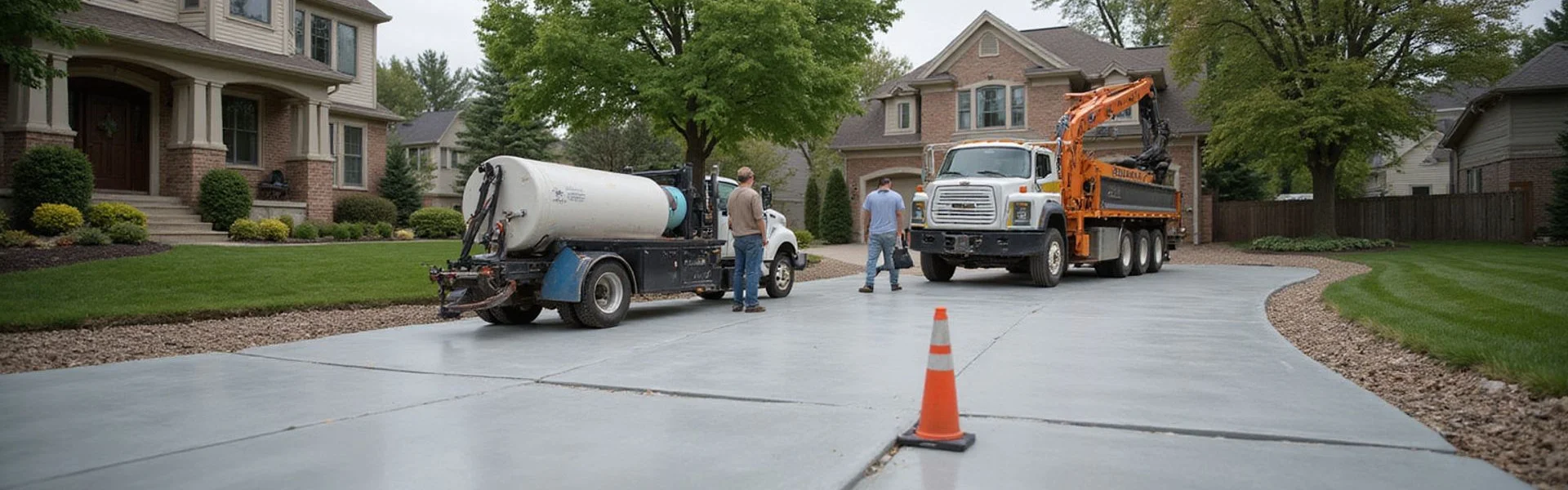
Have a slab to lift? Let's take a look.
Free, no-obligation on-site estimate. If we can't fix it, you don't pay.