How Often Should You Reseal Concrete Joints?
Typical 5-10 year reseal cycle. Factors that shorten it (climate, traffic), inspection checklist, and signs it's time. Free assessments.
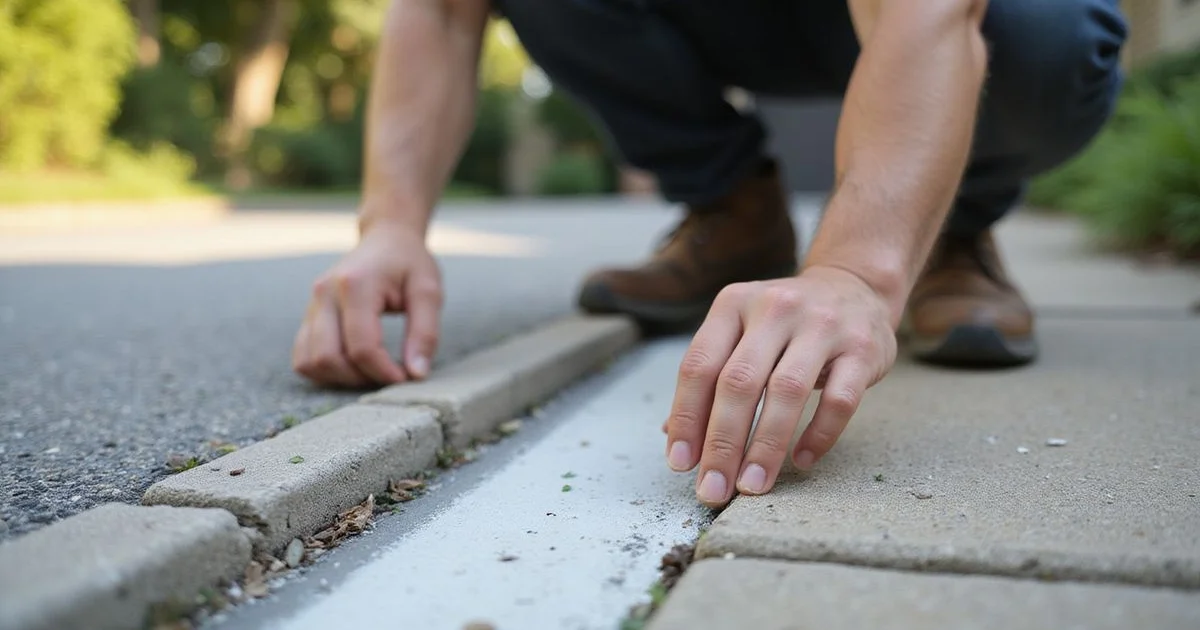
We often see homeowners completely rebuild driveways when a simple joint repair was all they needed. People constantly ask us how often reseal concrete joints to stop water from destroying a slab’s foundation.
Neglected expansion joints consistently lead to major winter damage and expensive overhauls.
Our team at Concrete Leveling Detroit handles countless restoration jobs that could have been easily prevented. You can save significant money by paying attention to a few key maintenance details.
Let’s look at the data, what it is actually telling us, and then explore practical ways to respond to failing sealant.
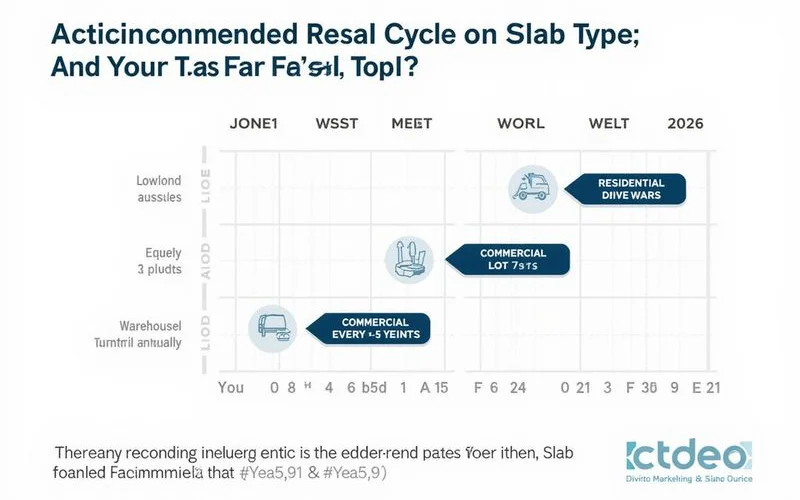
Typical reseal cycle
We consistently tell customers asking how often reseal concrete joints that the timeline depends directly on the surface type. High-quality polyurethane sealants usually need replacement every 5 to 10 years.
Commercial properties naturally wear out faster than a quiet backyard patio due to heavier traffic. Our most successful projects rely on matching the right joint reseal interval to these specific demands. The table below outlines the expected lifespan for different areas around your property. Standard guidelines provide a baseline, but local conditions will shift these numbers.
| Slab Type | Reseal Cycle |
|---|---|
| Residential driveway / patio | 7-10 years |
| Pool deck (chemical exposure) | 3-5 years |
| Commercial walkway / retail | 5-7 years |
| Warehouse / industrial | 3-5 years |
| HOA common areas | 5-7 years |
We always verify the original materials used during a pour to accurately predict future failure points. Data from 2026 material studies shows that commercial-grade silicone lasts 10 to 20 years.
A cheap acrylic sealer will often degrade in just 1 to 3 years. You will save money long-term by asking your contractor for a premium polyurethane or silicone option.
Factors that shorten the cycle
Our experts know that local weather conditions heavily dictate when to reseal driveway joints. Michigan experiences an average of 42 severe freeze and thaw cycles every single year according to recent Great Lakes climate data.
Expanding ice acts like a wedge, tearing apart the strongest concrete slabs from the inside out. We constantly see unprotected cracks destroyed by these intense temperature swings. Several other hidden hazards will accelerate the breakdown of your sealant. The most common culprits include chemical exposure and poor initial material choices.
- Heavy de-icing salt in winter (calcium chloride eats through weak sealants)
- Direct sun exposure (UV degradation causes hardening and cracking)
- Heavy vehicle traffic (forklifts, delivery trucks)
- Pool chemistry exposure (chlorinated water)
- Cheap original sealant (basic acrylics or low-quality polyurethane)
Our crews frequently replace joints destroyed by basic rock salt. You should sweep away excess de-icing chemicals as soon as the ice melts. Direct sunlight bakes the flexibility right out of cheap materials, turning a rubbery joint into a brittle strip.
Inspection checklist
We suggest property owners perform a thorough visual check every single spring. Catching minor wear early is the smartest way to avoid a completely sunken driveway. Over 60% of joint failure begins with microscopic separation from the concrete wall, long before a massive gap appears.
Our technicians look for very specific warning signs during a routine property assessment. Walk the slab annually and check for these exact issues. Pay close attention to corners and high-traffic zones.
- Cracks running along the bead
- Pull-away from joint edges
- Crumbling or chunking
- Water staining around the joint
- Joint sealant softening (poking with a key reveals it)
- Visible gaps between bead and joint wall
We highly recommend using a standard flathead screwdriver or a house key for your test. A healthy joint should feel rubbery and bounce back immediately. A failing joint will feel hard, brittle, or distinctly mushy.
Signs it’s time
Our favorite diagnostic trick is the simple water bead test. Pour a cup of water directly over the joint to check the surface tension. The protective seal is completely gone if the water absorbs immediately into the concrete.
We advise scheduling a professional repair the moment you notice significant gaps or moisture problems. Figuring out exactly when to reseal driveway sections prevents structural washouts beneath your concrete. Any of the following symptoms means you need to schedule a reseal immediately.
- Visible bead cracking
- Joint material pull-away on either side
- Crumbling, dusty bead
- Water entering the joint after rain
Our teams always warn customers about the dangers of crumbling material. Loose chunks indicate that the chemical bond has entirely failed, leaving the sub-base exposed. You should also look for dark, damp shadows clinging to the concrete edges hours after a storm.
Annual maintenance walk-through tip
We rely on a strict seasonal schedule to keep properties perfectly protected against the elements. The ideal joint reseal interval depends on planning ahead, so knowing how often reseal concrete joints is crucial before winter arrives.
Every March (post-winter), walk every joint with a steel ruler and a marker.
Our proven method involves marking any joints showing damage right away. Schedule them for a fall (October) reseal before the next winter season begins.
Industry guidelines state that temperatures must stay consistently above 50 degrees Fahrenheit, accompanied by 48 hours of dry weather, for new compound to cure.
We require these specific weather conditions to guarantee a waterproof bond.
For more, see our joint sealing service and property managers’ maintenance checklist.
Common Questions
Quick answers from our Metro Detroit crew.
Will salt damage my sealant?
How do I know it's time?
More from this topic
The Concrete Caulking Process Step-by-Step
Grinding, backer-rod, polyurethane bead, cure. The 4-step concrete caulking process for Metro Detroit driveways and parking lots.
Why Joint Sealing Prevents Freeze-Thaw Damage
Freeze-thaw cycle physics, water infiltration, capillary action — and how flexible polyurethane joint sealant stops the damage cycle.
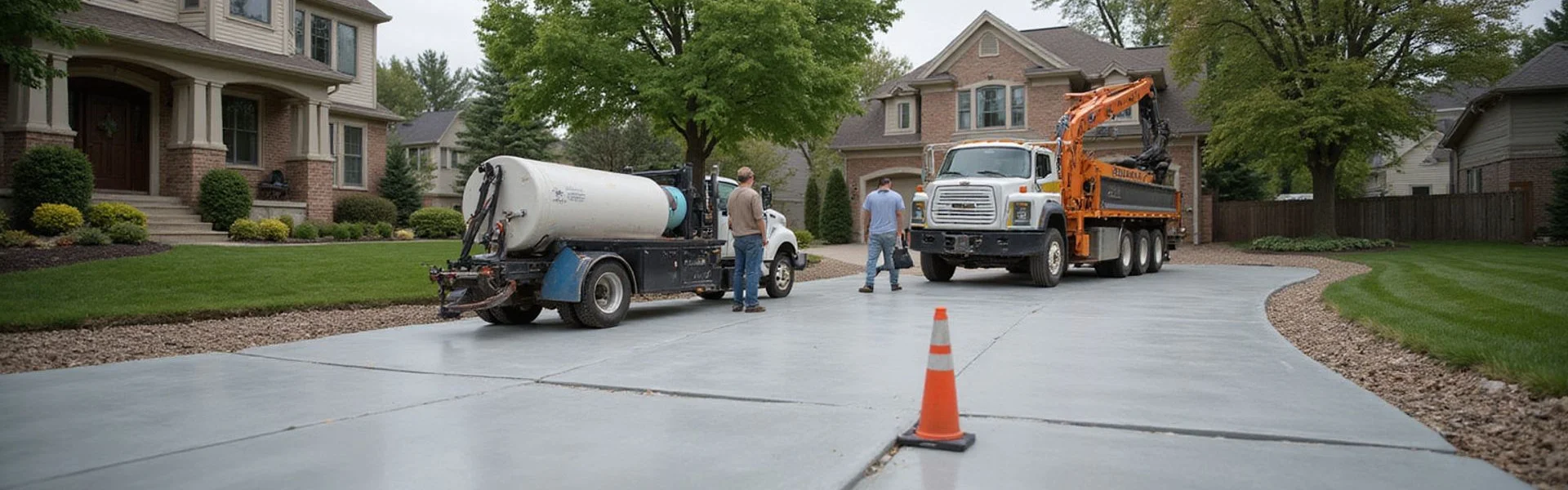
Have a slab to lift? Let's take a look.
Free, no-obligation on-site estimate. If we can't fix it, you don't pay.